Ask a sex worker why they’re so brutally honest, and most won’t give you a long speech. They’ll just shrug and say, ‘It’s either that or get hurt.’ There’s no room for sugarcoating when your safety, income, and dignity depend on reading people accurately. Unlike most jobs where politeness is currency, sex work runs on truth-because lies cost more than a bad review. They cost your life.
That’s why you’ll find escorts like eacorte paris describing their services with startling clarity: no fake smiles, no hidden fees, no pretending they’re something they’re not. It’s not about being blunt for shock value. It’s survival. An escort française paris who says ‘I don’t do that’ means it. Not because she’s rude, but because she’s learned the hard way that ambiguity gets people killed.
Why Honesty Is a Survival Skill
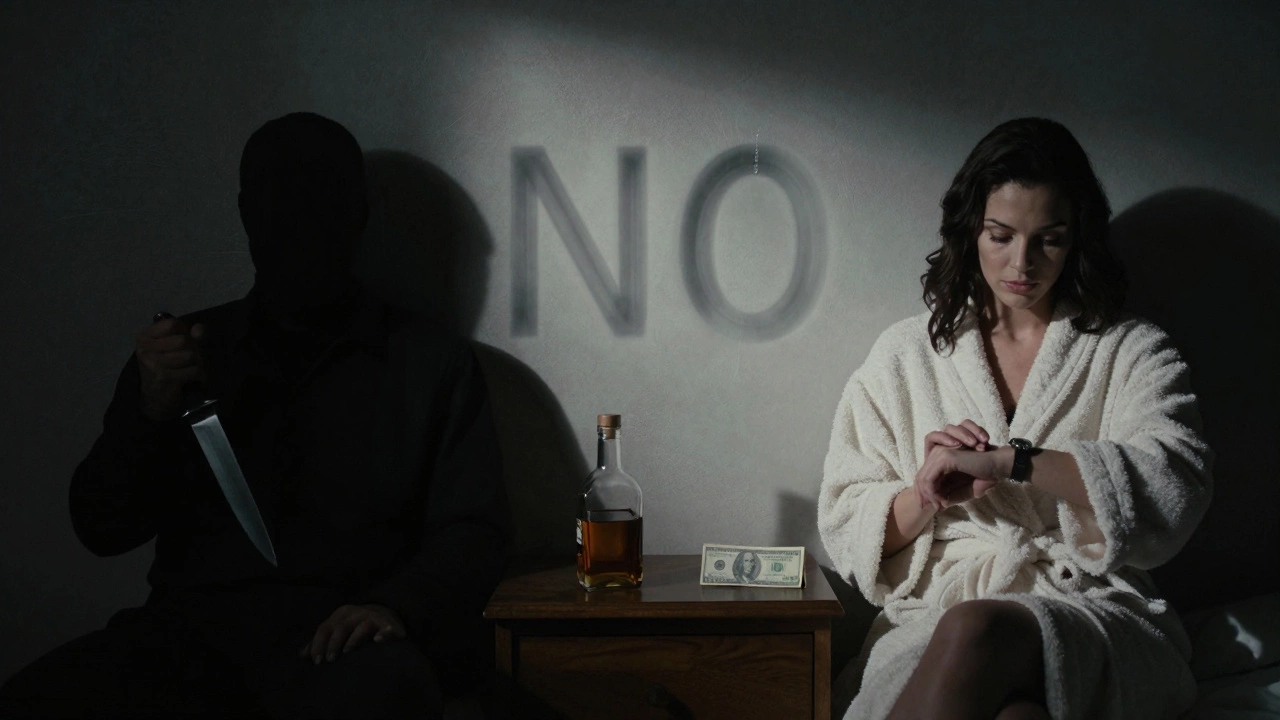
Most people lie to avoid conflict. Sex workers lie to avoid death. In a world where clients can be violent, deceptive, or both, honesty isn’t a personality trait-it’s a risk assessment tool. A client who says, ‘I just want to talk,’ but shows up with a bottle of whiskey and a knife? That’s not a red flag. That’s a death sentence waiting to happen.
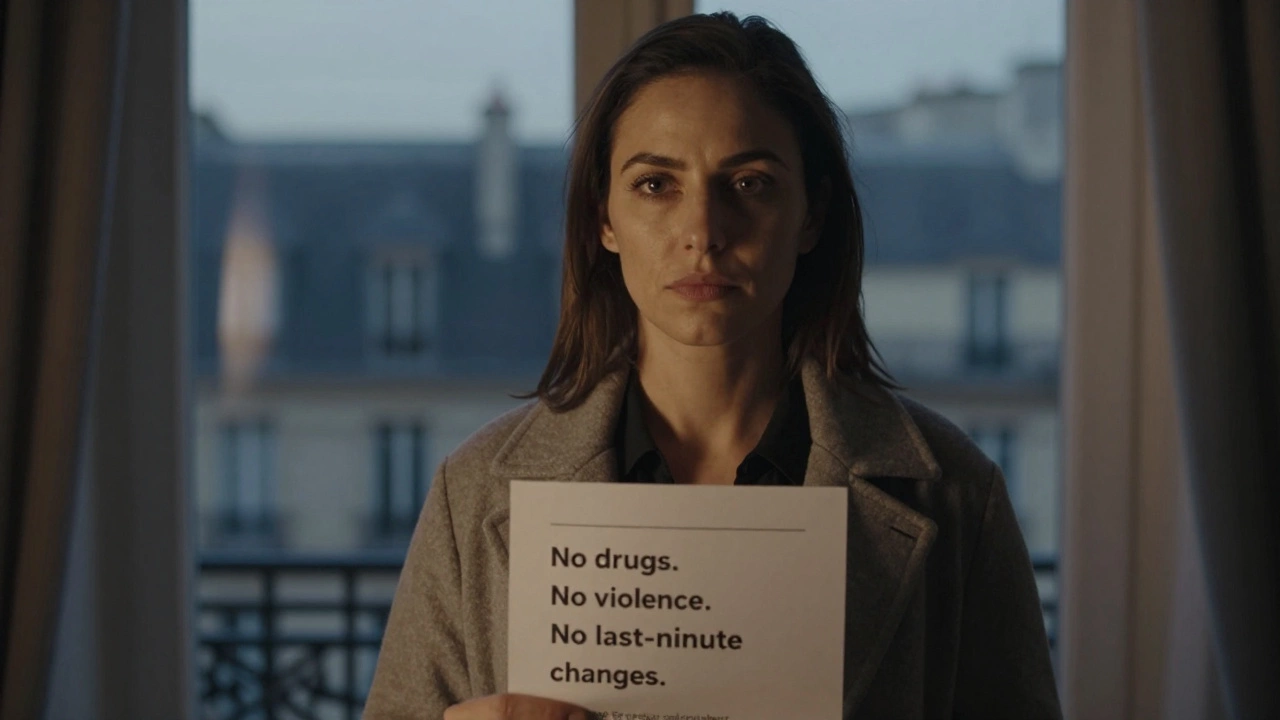
So they cut through the noise. ‘No drugs.’ ‘No violence.’ ‘No group sessions.’ ‘No last-minute changes.’ These aren’t just rules-they’re non-negotiable boundaries written in blood. One wrong assumption, one ignored warning sign, and the job ends in an ambulance, a police report, or a morgue. That’s why sex workers are trained to read micro-expressions, voice cracks, and sudden silences better than most therapists.
The Myth of the ‘Seductive Escort’
Media loves the fantasy: the mysterious, alluring escort who seduces wealthy men into emotional confessions. Real life? It’s the opposite. Most sex workers don’t want to be your therapist, your emotional crutch, or your fantasy object. They want you to pay, leave, and never come back until the next appointment.
That’s why so many insist on upfront contracts, even if they’re verbal. ‘I charge $200 for an hour. No kissing. No touching my hair. No asking about my family.’ It’s not cold. It’s efficient. The more emotional labor you demand, the less time they have to rest, the more danger they’re in. When you ask an escort why she won’t cuddle after sex, she’s not being heartless. She’s protecting her nervous system.
How Honesty Builds Trust-Not Romance
Here’s the twist: radical honesty doesn’t push clients away. It attracts the right ones. People who want a transaction, not a relationship. People who respect boundaries. People who don’t try to manipulate, guilt-trip, or gaslight.
One worker in Lyon told me, ‘I’ve had men cry because I wouldn’t lie about my availability. They thought I was cruel. Then they came back six months later and said, ‘You were the only person who didn’t make me feel like a monster for wanting to pay.’’
That’s the power of clarity. When you stop pretending, you stop inviting chaos. Clients who need emotional validation go elsewhere. Those who just want to be treated like humans-without the performance-stay. And those are the ones who tip well, respect the schedule, and leave quietly.
The Double Standard of ‘Professionalism’
Think about how we treat other service workers. A nurse doesn’t have to smile while cleaning a wound. A mechanic doesn’t have to pretend your car isn’t totaled. A cashier doesn’t have to laugh at your bad joke. But if a sex worker says ‘no’ to a request, she’s labeled ‘cold’ or ‘unempathetic.’
That’s the hypocrisy. We expect emotional labor from women in service roles, but when they refuse to perform it, we punish them. Sex workers aren’t rejecting empathy-they’re rejecting the expectation that their body and time should be used as emotional fuel.
They’re not supposed to be your confidant, your rebound, your excuse to avoid real relationships. They’re professionals. And professionals set limits. That’s not a flaw. It’s a standard.
How Clients Misread Honesty as Rejection
Many clients don’t understand why sex workers don’t flirt back, don’t ask about their day, and don’t pretend to be interested in their hobbies. They think it’s personal. It’s not.
One escort pa who’s worked in Paris for over a decade says, ‘I’ve had men cry because I didn’t ask how their divorce was going. They thought I didn’t care. But I care enough to know that if I start listening, I’ll never stop.’
That’s the hidden cost of emotional labor. Every ‘how was your week?’ becomes a debt. Every shared laugh becomes a hook. And for someone who works with strangers every day, those hooks add up. They become trauma. They become burnout. They become silence.
Radical honesty isn’t about shutting people out. It’s about preserving your ability to show up at all.

What Happens When Honesty Is Punished
When sex workers are forced to lie-by law, by stigma, by clients-they pay the price. In places where sex work is criminalized, workers lie about their location, their age, their services. They say ‘yes’ to things they hate because saying ‘no’ means arrest, fines, or worse.
Decriminalization isn’t just about rights. It’s about truth. When you remove the fear of punishment, people stop lying. They say what they need. They set boundaries. They report abuse. They survive.
That’s why the most honest sex workers are often in places where their work is legal and respected. Not because they’re saints. Because they’re finally allowed to be human.
Why This Matters to Everyone
You don’t have to support sex work to learn from it. The lesson isn’t about prostitution. It’s about boundaries. About what happens when you stop pretending to be okay with things that aren’t okay. About how silence kills faster than yelling.
Think about your own life. How often do you say ‘yes’ because you’re afraid of being called selfish? How often do you smile when you want to scream? How many relationships are built on lies you told to keep the peace?
Sex workers don’t have the luxury of those lies. And because of that, they’ve built a kind of clarity most people spend lifetimes chasing. They know: honesty doesn’t destroy relationships. It filters them. It keeps the right people close and the dangerous ones far away.
Maybe that’s why so many people-clients, researchers, even therapists-end up admiring them. Not because they’re glamorous. But because they’re the only ones who refuse to pretend.